← Work / Case study
From fragmented delivery to a shared platform
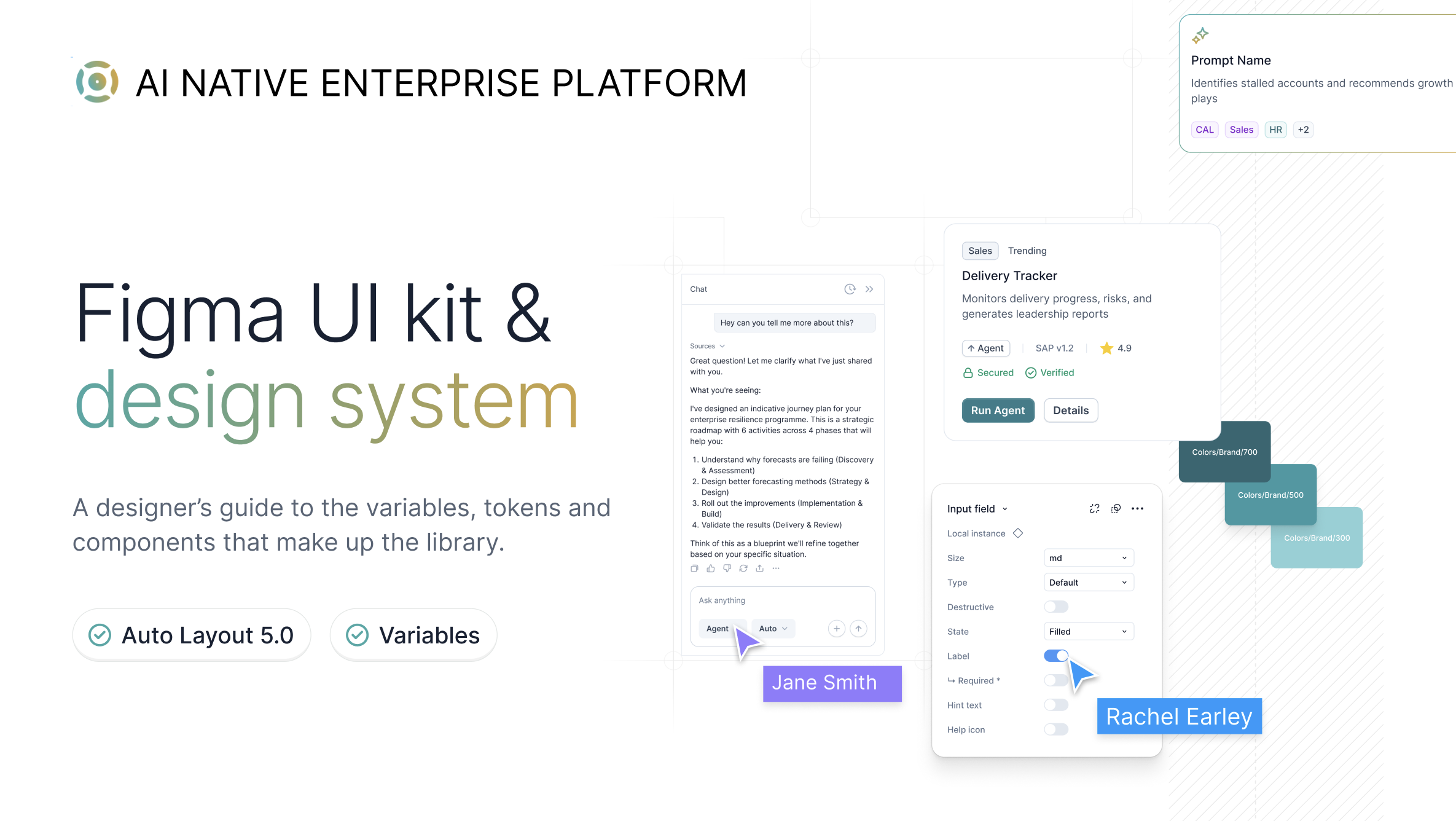
A fast-moving AI product had outgrown its foundations. I led the design, engineering and organisational change to fix it.
- 5 product teams
- 40 designers
- 60 developers
- 160 design hours saved a week
The problem
Every product was being built by hand, and design and code were drifting apart.
When I joined, the product was moving fast, but the operating model underneath hadn’t kept up. The roadmap was reactive, features shipped without research proof points, and there was no design system, information architecture or structured testing. Developers were rebuilding interfaces from Figma examples, so every release widened the gap between design and code. Better screens wouldn’t fix that. I proposed shifting The Dock’s role from research and design partner to product translation and validation partner, built on a foundation that design and engineering could share.
Before
After
The challenge
The pushback wasn’t against good design. It was the pressure to keep shipping.
Everyone valued research-led work, but reactive delivery kept taking priority. I made the case that investing in foundations would speed delivery up, not slow it down, and moved the conversation from visual consistency to delivery efficiency and scale. With around 60 developers expected to adopt the system, this was as much an organisational change as a design one, so governance, onboarding and joint ownership mattered as much as the components. That meant bringing five groups with me.
platform
- My design teamInfrastructure for delivery, not a side project
- Product design leadsJoint ownership, never imposed
- EngineeringOne model from Figma to React
- Senior stakeholdersFoundations pay back in speed
- 60 developersAdoption as organisational change
Three decisions
Get a solid foundation in fast, connect it to code, and let teams benefit before it was finished.
The first decision set the direction. The other two shaped how the strategy evolved as more teams came on board.
-
01
Adopt, don’t build
An off-the-shelf UI kit already covered 80%+ of what we needed. We customised it and built only what was unique.
Headline call◆ Trade-off Bespoke vs speed
-
02
One system, design to code
One naming system from tokens to React, so AI coding tools build reliable UI from it too.
TokensReactStorybook
-
03
Ship it progressively
Teams started with what was ready. We closed the gaps as we went.
◆ Trade-off Complete vs live
How it connects
Nothing happens in isolation. One change in Figma travels into every product built on the library.
Tokens and components share one naming system from Figma through to React and Storybook, so a change is made once and flows everywhere, with parity checks to keep design and code in step. That consistency matters for AI too. Clean, predictable components are what let AI coding tools generate reliable production UI, and they’re the base for the AI prototyping tool I built to turn ideas into working prototypes.
library
- 1DesignChange a variable or component in Figma
- 2PublishPublish the library so it leaves draft
- 3Sync & linkEngineering syncs tokens and links components
- 4ShipEvery product and client theme updates
The outcome
One product’s fix became a platform capability, with accessibility built in.
The foundation is now used by five product teams, 40 designers and 60 developers, inside and outside my own team, and saves around 160 design hours a week. Accessibility is built into the components and standards from the start, and the governance model moved distributed design and engineering teams onto one core foundation.